Australia’s Fuel Fiasco: When the Nation’s Oil Empire Turns to Ashes

Australia’s push for efficiency saw most of its refineries shuttered, only to be jolted by a blaze that exposed how razor‑thin the margin really is.
A single spark and the nation’s oil‑supply chain teetered like a pancake in a heat‑wave. In a bold bid to champion “efficiency and transition”, the Australian government closed nearly all its refineries, leaving the country with a future that looks a lot like a very long, very empty road.
The decision was billed as a clean sweep toward renewables, but the reality is that the margin between running a refinery and watching it burn is thinner than a paper straw. When the fire erupted, concerns rose about petrol availability and the resilience of the supply chain.
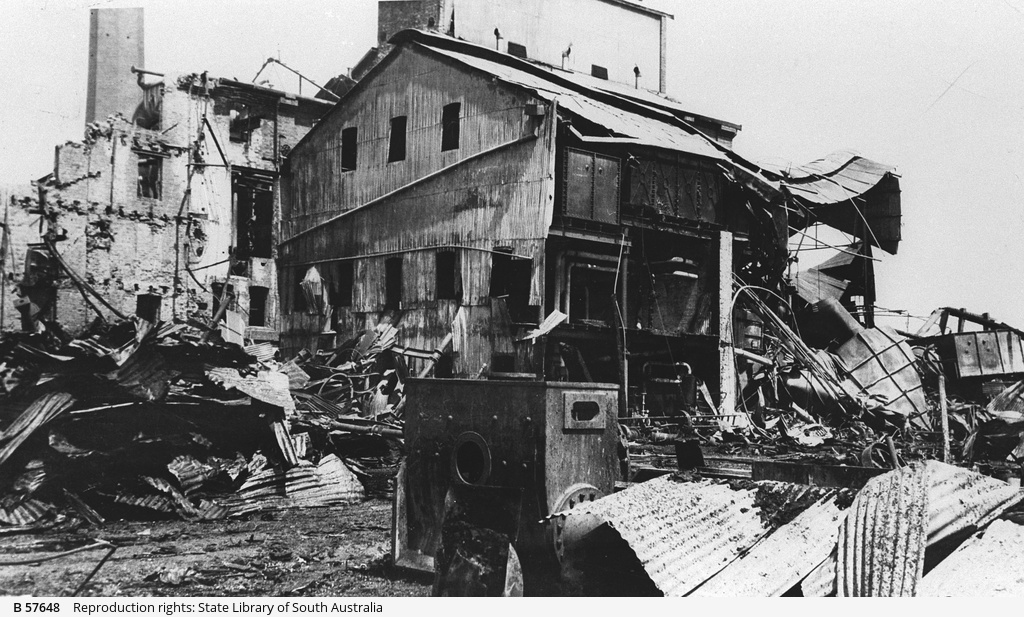
Picture this: a sprawling refinery, a handful of workers, a faulty pipe, and suddenly an accidental fireworks display that leaves the local community gasping for more than just fresh air.
The government’s narrative of efficiency was cut short by the very thing it promised to eliminate: fossil‑fuel waste. The irony is as thick as the soot on the equipment.
If you thought the transition to renewable energy would be a smooth ride, think again. The new “green” strategy now seems to have turned into a green‑ish‑black mess.
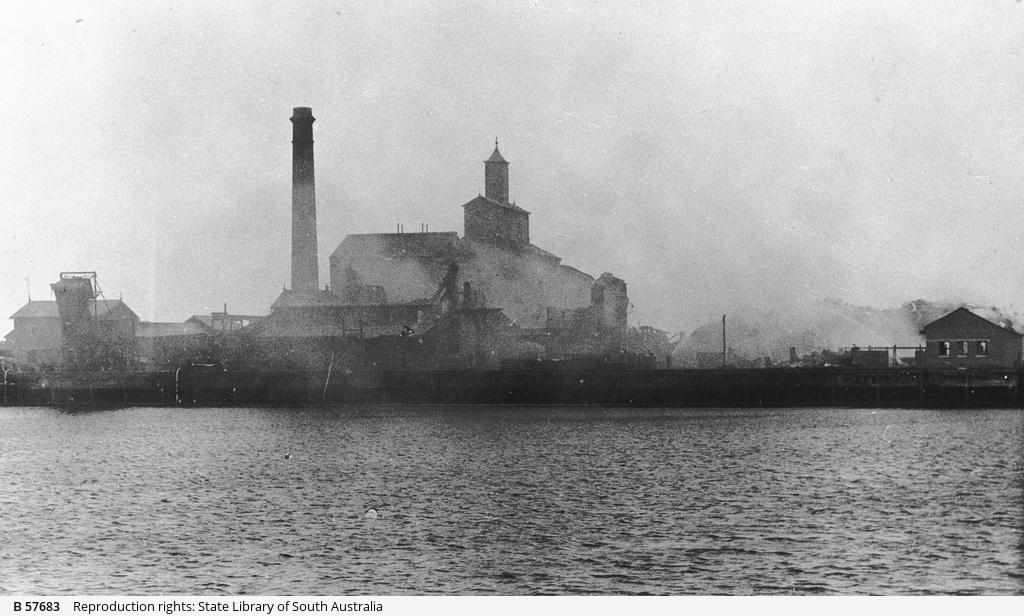
Meanwhile, the national debate has shifted from clean energy to cleaning up after the fire, with politicians scrambling to explain how a single blaze could reveal the fragility of the entire fuel infrastructure.
The incident is a reminder that when you shut down a refinery, you’re not just closing a plant—you’re opening a Pandora’s box of logistical headaches and potential disasters.
The fallout is clear: a nation that once took pride in its oil output now faces a fuel future that might be as unstable as a house of cards.