Cleary’s Broken Ankle Shakes NRL, Slater Fires Off Rule‑Riot
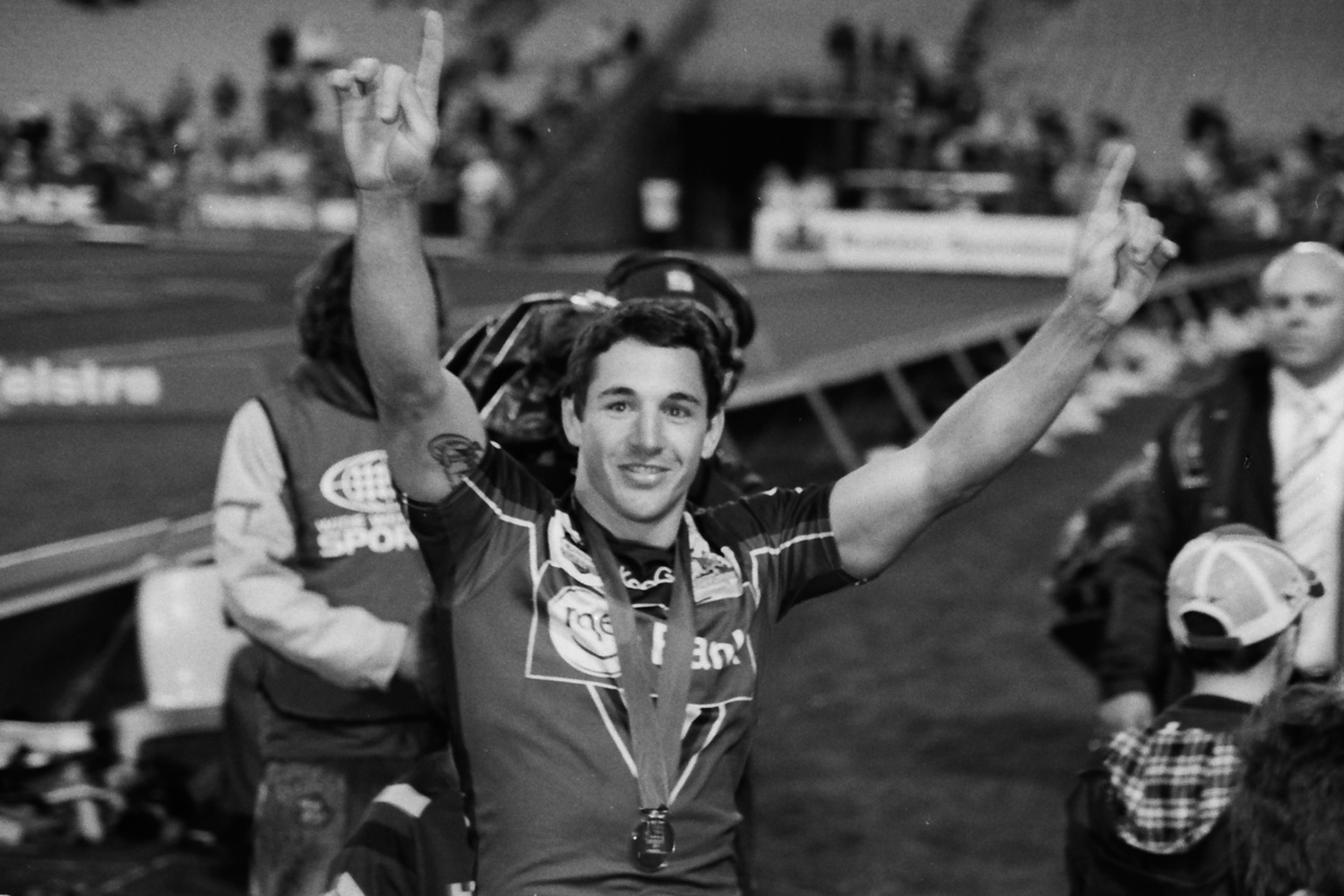
On a blustery Tuesday, Nathan Cleary’s ankle gave up the ghost—no, not literally, but it did give him a six‑month ban and a hospital bed that looked suspiciously like a VIP lounge. The half‑back’s Instagram post, “I’ll be back,” read like a triumphant anthem, even as his toes were wrapped tighter than a rugby ball in a tight‑knit scarf.
Meanwhile, the former Kangaroo superstar Billy Slater, who’s still got the swagger of a player who never quite let the rules catch up to him, took to social media to slam the NRL’s latest rule tweaks. He implied the very changes that were supposed to make the game safer had, paradoxically, paved the way for the injury that sent Cleary to the hospital.
If you were standing on the sidelines watching the match that led to the break, you’d have felt the ground shift under your boots—quite literally. The incident happened during a high‑octane tackle that felt more like a ballet than a battle, leaving Cleary with a broken ankle and a story that would echo in the locker rooms for months.
Cleary’s recovery plan is simple: bed rest, physiotherapy, and a relentless drive to return to the field. He’s already set a goal to be back before the next season’s opening siren, and fans are clapping in the stands, hoping for his triumphant return.
Slater’s critique, however, is less about the injury itself and more about the framework that allowed such a collision to happen. He’s arguing that the NRL’s new tackle‑margin rules, designed to reduce head injuries, inadvertently gave defenders a green light to lock in tackles that were too close for comfort.
The NRL’s response has been measured, with the governing body pointing out that rule changes are based on data, not on the opinions of a few former stars. They’ve also reminded the public that player safety remains the top priority.
The fallout has created a ripple effect across the league. Clubs are revisiting their tackle drills, while medical staff are tightening their protocols for ankle injuries—a body part that, it turns out, is as fragile as a house of cards when played in a high‑impact sport.
In the meantime, Cleary’s injury has become a rallying point for fans, who see his resilience as a metaphor for the league itself: battered, but determined to fight back.
The conversation about rule changes has also opened up a larger debate on how the sport balances the excitement of contact with the safety of its players—a debate that has been simmering for years and is now being served with a side of Cleary’s ankle.
The NRL’s leadership, meanwhile, is quietly drafting a new set of guidelines that aim to keep the game thrilling while ensuring that players do not end up in a hospital bed with a broken ankle.
As the league moves forward, one thing is clear: the game is still a battlefield, but the rules are being rewritten like a playbook in a courtroom, with Cleary’s “I’ll be back” promise serving as the ultimate punchline.
Fans, pundits, and former players alike will be watching closely to see if the NRL can keep the sport safe while still delivering the heart‑pounding drama that made it a national obsession in the first place.