RBA Gives Housing Downturn a Shrug, Focuses on AI and Overseas Bonds
The first thing you notice when the RBA releases its latest policy statement is the lack of a single sigh. While Sydney suburbs are turning into ghost towns and house prices are slipping faster than a kangaroo on a trampoline, the central bank’s tone is as relaxed as a koala on a eucalyptus leaf.
In a move that would make a bored accountant blush, the RBA says its primary alarm bells are ringing for two things: overseas bonds and a potential AI uprising that could rewrite the very concept of market stability. Housing downturn? That’s just a side‑effect.
Market participants are already drafting new investment memos titled “Don’t Panic: The Housing Bubble is a Bubble‑Gum of the Past.” Meanwhile, the Australian property market is behaving more like a bad soap opera – dramatic, confusing, and with a cliffhanger that never resolves.
The bank’s statement, written in a style reminiscent of a relaxed beachside barista, suggests that a sharp decline in home prices is a “natural correction” that will eventually balance itself out. But if the RBA is this comfortable with the slump, perhaps it’s because it believes the real threat is a future where AI traders can buy and sell bonds faster than a speed‑boat on the Pacific.
In the meantime, overseas bond markets are being monitored with the same intensity as a cricket match on a sunny afternoon in Brisbane. The RBA’s focus on foreign debt signals that market participants might need to start looking beyond the Sydney skyline for safe havens.
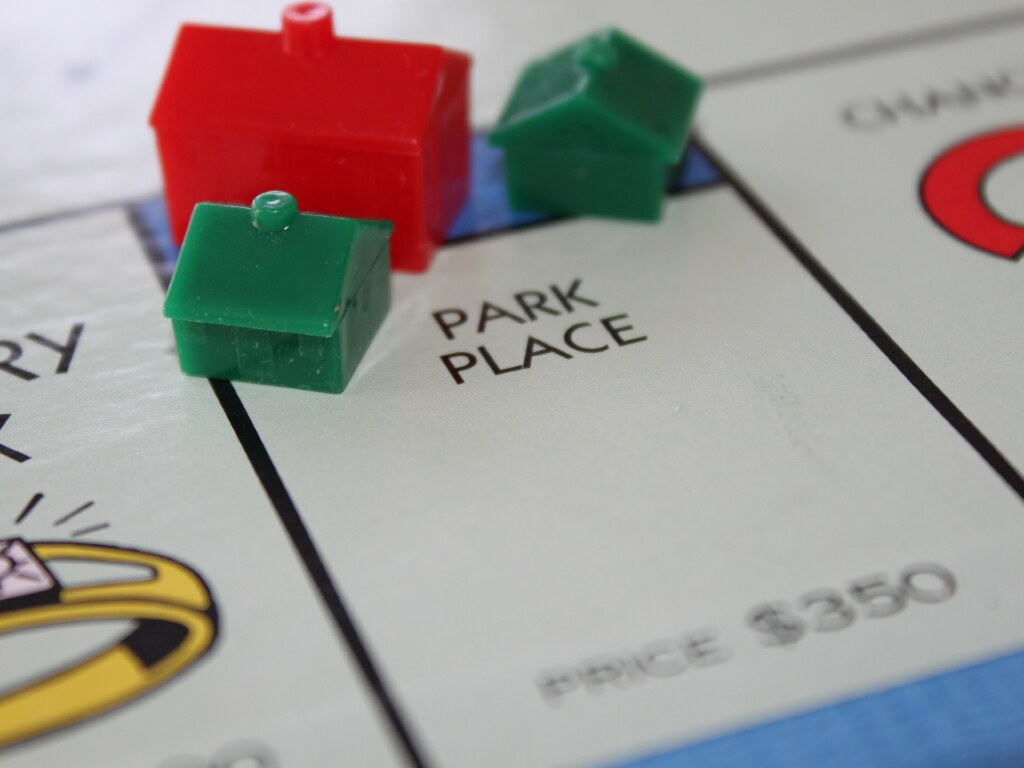
As for the housing sector, analysts have started calling it “the new black hole of Australian finance,” with mortgage lenders losing sleep over a crisis that feels like a plot twist in a telenovela. Yet the RBA’s calm stance could be a subtle hint that they’re ready to intervene with a policy change that would make the housing market feel like a game of Monopoly again.
In the end, the central bank’s latest communiqué has left the public with a single question: if the RBA can ignore a domestic crisis so easily, will it also ignore the day a self‑learning algorithm takes over the bond market? Until then, market participants will keep watching, hoping that the next policy meeting will involve more numbers and less existential dread.