Mortgage‑Minded Millennials: Homeownership May Be the New Baby‑Booster
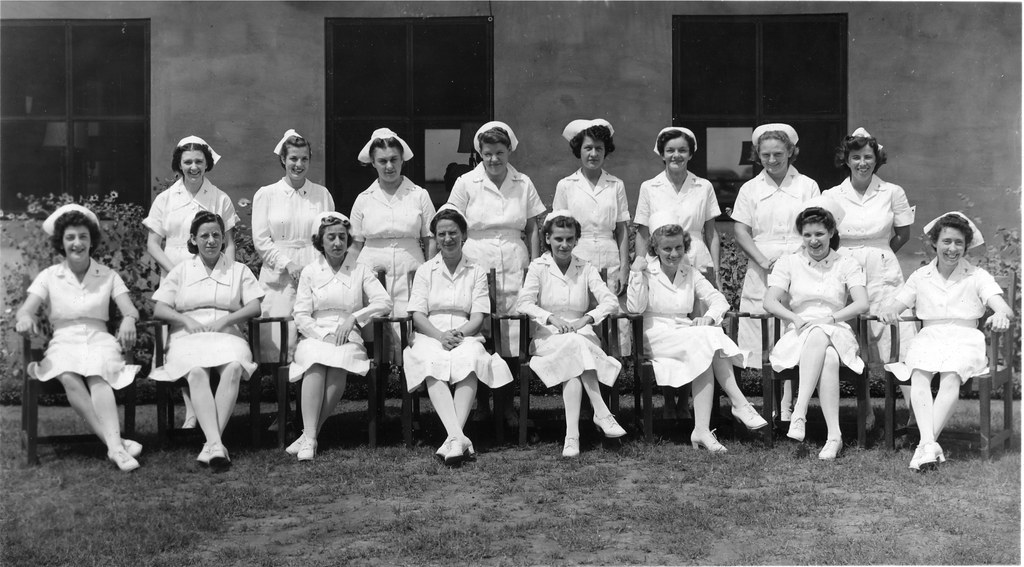
In the quiet aftermath of the Great Recession, a group of researchers finally discovered that the country’s most successful baby‑booster was not a new fertility drug or a government‑backed family‑vacation subsidy, but the very mortgages that helped millions settle into suburban bliss.\n\nThe study, which dug through the dusty archives of 1940s housing policy, found that generous federal mortgage programs—think low down‑payments and long‑term fixed rates—coincidentally aligned with a sharp uptick in births. The implication? If the Fed can still coax people into owning homes, maybe it can coax them into having children, too.\n\nThe paper’s authors, who avoided naming any specific executives, noted that the post‑war era’s “housing‑first” approach created a sense of stability that seemed to encourage couples to expand their families. The result was a robust, if somewhat unexpected, correlation between mortgage rates and the number of babies born.\n\nFast‑forward to today, and some market commentators are already speculating that a resurgence of “home‑ownership incentives” could be the next big stimulus for the declining birthrate. A robust line of economists has suggested that a modern, low‑interest, low‑down‑payment mortgage might just be the trick to turning the tide.\n\nYet, in a world where housing prices are as high as a skyscraper and the cost of a child is measured in student‑loan debt, the idea of a policy that simultaneously boosts the real estate market and the population feels like a robust double‑edged sword. Still, the notion is enough to spark conversations at boardrooms and baby‑registry parties alike.\n\nWhether or not a new mortgage‑based fertility plan can deliver the same robust results of the 1940s remains to be seen. But one thing is clear: the next time Congress debates housing subsidies, they might want to keep an eye on the baby count next to the housing units.